



By Lisa E. Kirkwood
As months flow from summer into autumn, the days get shorter and colder, flowers fade, and the leaves of trees start to change color. The autumn equinox marks the astronomical beginning of fall in the Northern Hemisphere and spring in the Southern Hemisphere. The word “equinox” comes from Latin, meaning “equal night”.
The first day of fall, or the autumnal equinox, typically falls on September 22nd or 23rd, and, occasionally, on September 21st or 24th. This variation is due to the Earth’s orbit and the way the Gregorian calendar is structured.
The full moon closest to the equinox is called the Harvest Moon, and in many cultures, this is the beginning of harvest festivals. During these events, bonfires and candles are lit, and such a time in the year is considered a great opportunity to release any negative energy or burdens that one may be carrying. Throughout human history and society, since civilization began, fire has always been a symbol of destruction but also of transformation and renewal.
Like other seasons, full of celebrations and observances, autumn is a good time to bring longstanding projects to completion, reward oneself for the small and big victories along the way, count the blessings of crops, harvests, and livestock, pause, enjoy, and appreciate what the divine power, nature, and people have to offer. Prayers of thanks and special thanksgiving ceremonies are common among most religions after harvests and during the year.
In Europe, the annual harvesting of orchards and vineyards is widely celebrated. Given regional differences in geography and climate, numerous harvest festivals in various countries are held at different times throughout the world. In many places, houses and churches are decorated with fall foliage, wreaths, and autumn crops, and there are lots of social gatherings, religious processions or parades that bring in record crowds.
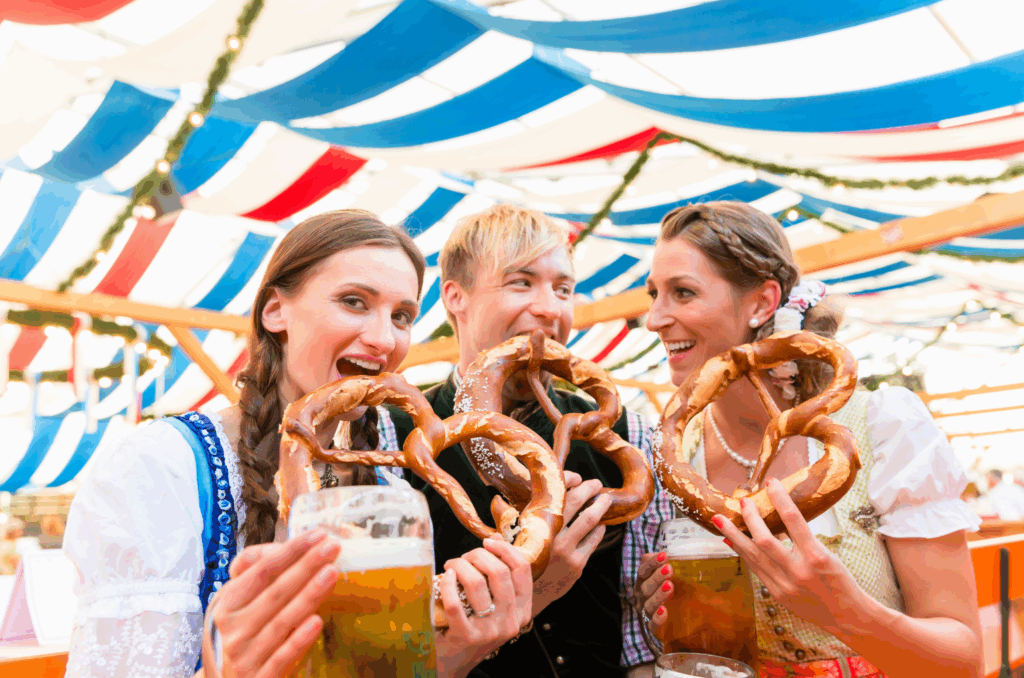
Perhaps the most famous and largely attended seasonal event is Oktoberfest, held annually in Munich, in the German region of Bavaria, from mid or late September to the first Sunday in October. This venue, featuring an expansive beer festival, music, traditional food, and a traveling carnival, attracts more than seven million international and national visitors at its peak. The second biggest Oktoberfest in Germany is in the city of Hannover, with around 500,000 people participating each year.
Ever since its inception, in 1810 as a celebration of a royal wedding, Oktoberfest has grown into a large-scale event attended by millions of tourists, becoming a major symbol of Bavarian culture and a way to maintain local traditions and heritage. Other cities across the world also hold Oktoberfests, modeled after the original Munich event, which bring significant economic benefits to their respective regions, with visitors boosting tourism and related industries.
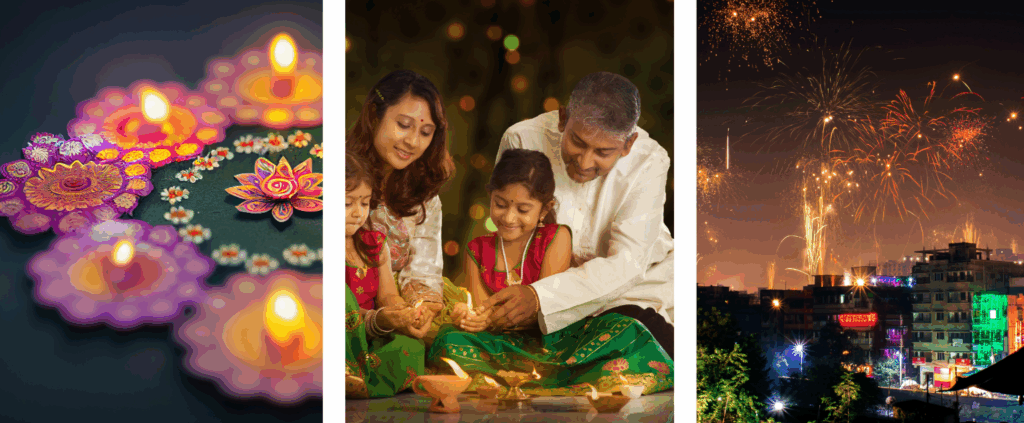
In India, between around mid-September and mid-November, hundreds of millions of people observe Diwali, a traditional Hindu festival, but also celebrated by other religious communities worldwide. While Hindus associate the festival with the return of Lord Rama and the worship of Lakshmi, the goddess of prosperity, religious practitioners like Jains, Sikhs, and even some Buddhists also observe Diwali, with their own unique interpretations and traditions. For each faith, it marks different historical events and stories.
Diwali also honors Ganesha, the god of wisdom and the remover of obstacles. In India and Nepal, this event is a multi-day festival, although the days and rituals are named differently. The term Diwali is derived from the Sanskrit words dīpa, ‘lamp, light, lantern, candle, that which glows, shines, illuminates or knowledge’ and āvali, ‘a row, range, continuous line, series’.
Every year during Diwali, Indian forces approach their Pakistani counterparts at the border bearing gifts of traditional Indian confectionery, a gesture that is returned in kind by the Pakistani soldiers.
Diwali has increasingly attracted cultural exchanges, becoming an occasion for politicians and religious leaders worldwide to meet Hindu or Indian origin citizens, diplomatic staff or neighbors. Many people participate in other socio-political events of the Indian diaspora as a symbol of support for diversity and inclusiveness.
Local governments in Asia and Europe encourage or sponsor Diwali-related festivities in their territories, using the occasion to highlight contributions of the Hindu community to British society. Since 2009, Diwali has been celebrated every year at 10 Downing Street, the residence of the British Prime Minister. Diwali’s religious and historical significance was officially recognized by the United States Congress in 2007.
In the USA, on the night of October 31, Americans celebrate Halloween by dressing in costumes and telling tales of witches and ghosts. Children go from house to house to collect sweets, and communities hold parades and parties. Modern Halloween customs were influenced by ancient Celtic harvest festivals, and some things just carried on through generations until today.
Initially an Irish and Scottish tradition, through the influence of American culture, especially in entertainment, Halloween and its observance spread to other countries by the late 20th and early 21st century.
Popular activities during Halloween include trick-or-treating, attending costume parties, carving pumpkins or turnips into jack-o’-lanterns, lighting bonfires, apple bobbing, divination games, playing pranks, visiting haunted attractions, telling frightening stories, and watching spooky films.
Kids and adults alike enjoy this holiday and engage in family activities, shopping for Halloween attires, decorating homes, and roaming the neighborhoods together for candies, apples, and caramel treats. Throughout the month of October, yards, public spaces, and houses are adorned with dark-themed symbols like skeletons, ghosts, cobwebs, cemetery headstones, and other scary-looking toy items.
Halloween costumes were traditionally modeled after figures such as vampires, witches, and devils. Over time, the costume selection extended to include popular characters from movies, fiction, celebrities, and generic archetypes such as ninjas and princesses, reflecting the most modern fashion and trends year after year. Even pets get dressed up for this holiday, much to the delight of the owners, their families, friends, and neighbors.
During October, foods and cakes are often decorated with Halloween colors (typically black, orange, and purple), and motifs for parties and events. Common themes include pumpkins, spiders, and body parts. In the American economy, Halloween accounts for over $10 billion spent annually, always a bonanza for vendors.
The popularity of Halloween decorations has been growing in recent years, with retailers offering a wider range of increasingly elaborate and oversized items. The colors of the fall and even some Halloween-themed objects are also utilized extensively throughout November, well into Thanksgiving, the next major autumn event.
Thanksgiving is a national holiday celebrated on various dates in October and November in the United States, Canada, Saint Lucia, Liberia, and unofficially in countries like Brazil and Germany. It is also observed in the Australian territory of Norfolk Island.
Overall, the holiday marks, among many things, the successful colonization of new territories on other continents by pioneers and early settlers. Other highlights of this event include an extended weekend or mini-vacation for those in the workforce, as well as a special holiday menu, much anticipated from earlier in the year.
On this occasion, Americans prepare, share, and eat traditional meals of roast turkey or chicken, paired with stuffing, mashed potatoes, green bean or sweet potato casserole, cranberry sauce, as well as pumpkin or pecan pie, seasonal favorites for many people.
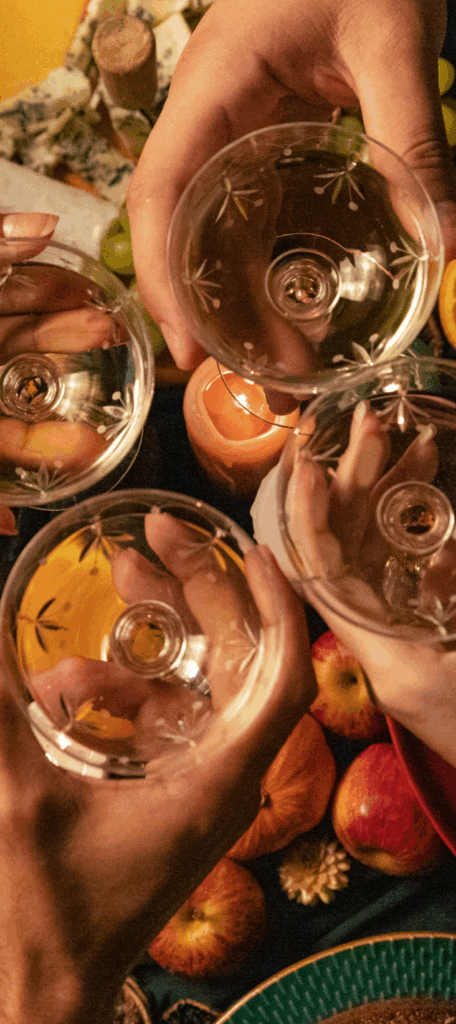
Foods vary according to location and customs, and partaking in meals as a close group or community rekindles old feelings, emotions, memories, and relationships.
Friends and family members journey far and wide to reunite for the famous Thanksgiving dinner. In the US, it’s the busiest travel time of the year, even more so than Christmas season.
Japan also observes a Labor Thanksgiving Day, that takes place every year on November 23, an occasion for commemorating labor and production, and giving each other thanks. This day has roots in an ancient Shinto harvest ceremony.
Over the past few decades, especially through cultural and commercial exchanges, folk and harvest festivals emerged throughout the world, crossing borders and being appreciated by larger and larger crowds in different regions, locally and globally. Regardless of country or culture, people enjoy participating in the festive atmosphere and sharing in the fun of each occasion, in any variation of autumn celebrations.